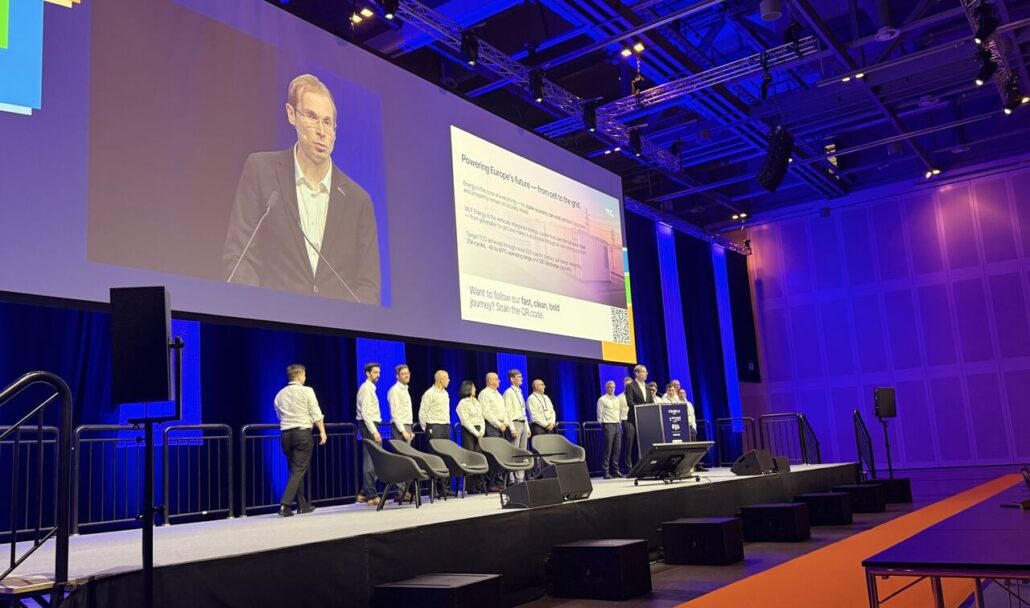
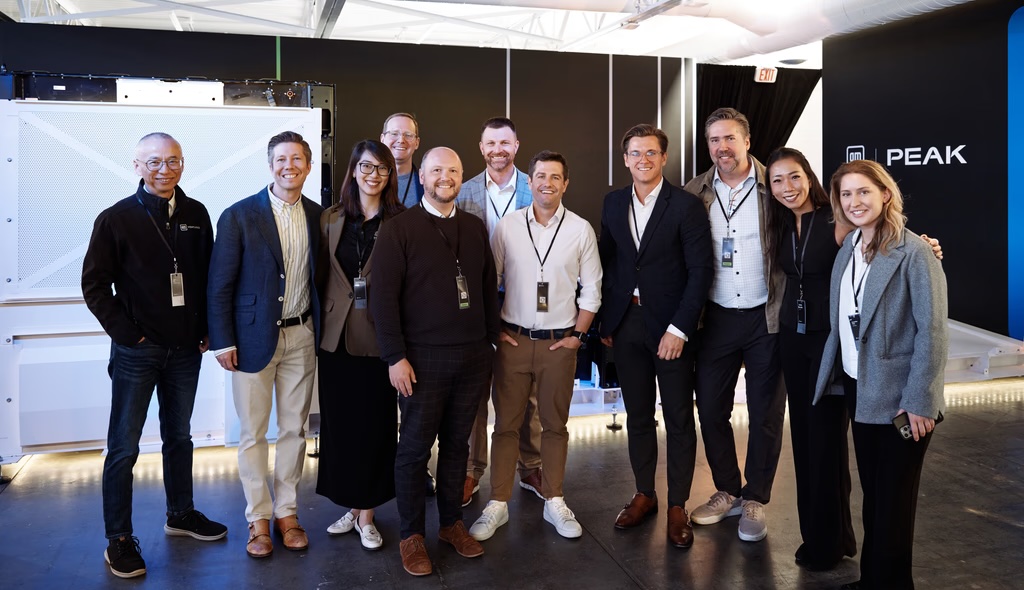
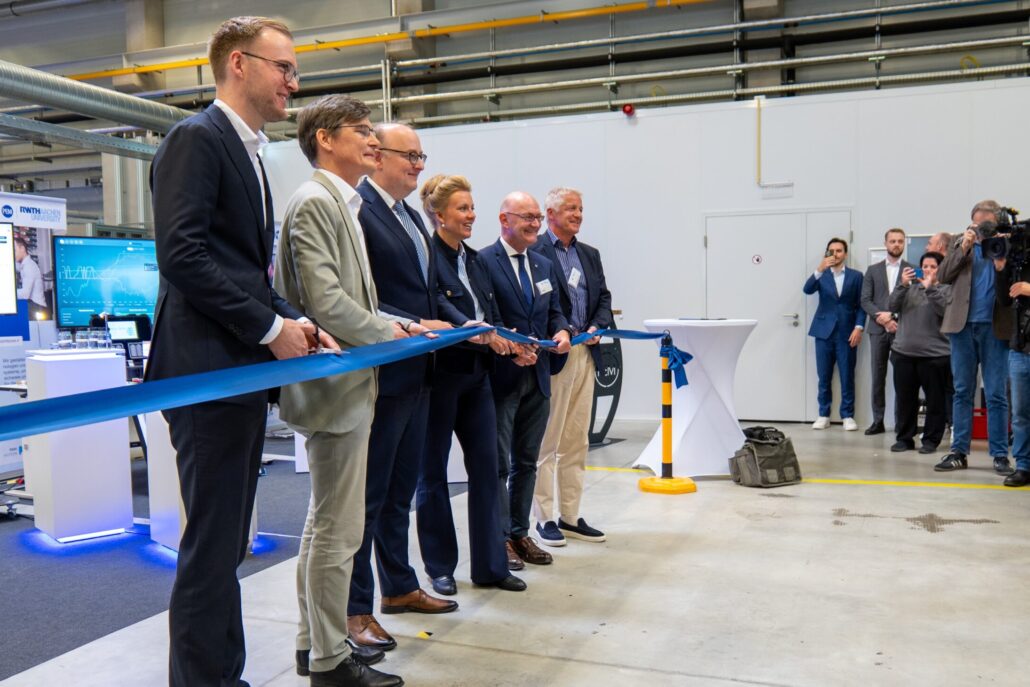
The PEM of RWTH Aachen University and its research and industry partners officially launched the “Fast Battery Customization” (FastBat) research cluster in Aachen today. The project aims to establish a regional value chain for battery and recycling technologies in Germany’s Rhenish mining region while accelerating the development of new battery systems. According to the partners involved, the German Federal Ministry for Research, Technology and Space is providing a total of €50 million in funding over a three-year period. The cluster is part of Germany’s structural transformation program for former coal-mining regions. Its objective is to transfer research results into industrial applications more quickly while creating new economic opportunities in the region. The focus lies on shortening development cycles, enabling flexible manufacturing processes, and developing battery systems for specialized applications such as agriculture and aviation. At the same time, the research cluster directly aligns with the German government’s High-Tech Agenda Germany, which defines the expansion of battery technology in Europe as a strategic priority. FastBat aims to establish an independent and competitive value chain for battery and battery recycling technologies in the Rhenish region while accelerating the transfer of innovations into industrial applications. In addition, the cluster is intended to strengthen Europe’s technological sovereignty in battery technology and reduce dependencies across global supply chains. Its emphasis on local value creation, recycling, and scalable manufacturing processes addresses key industrial and energy-policy challenges facing Europe. Guests from Industry, Research and Politics LtR: Prof. Dr. Achim Kampker, Dr. Henrik Born, Parliamentary State Secretary Matthias Hauer, Minister Ina Brandes, Mayor Dr. Ralf Otten, Dean Prof. Dr. Wolfgang Schröder Among those attending the official project launch in Aachen were numerous industry and research partners, as well as Ina Brandes, Parliamentary State Secretary Matthias Hauer, and Aachen Mayor Ralf Otten. Together, the participants emphasized the central role of batteries as a key technology for the digitalization and electrification of numerous industries. They also highlighted the importance of transferring technological excellence and innovations into industrial-scale applications more rapidly in order to secure long-term international competitiveness. “Current development cycles are far too lengthy,” said Achim Kampker, Head of the PEM Chair at RWTH Aachen, during the opening ceremony. “Battery research has so far focused primarily on product and process innovations with low technology readiness levels, rather than reducing time-to-market and increasing the flexibility of production systems.” According to Kampker, both aspects are essential, as an increasing number of applications with high product diversity and highly specific requirements are becoming electrified — including agriculture, aviation, mining, and defense applications. During a guided tour of the exhibition booths representing the individual research centers, guests also received detailed insights into the planned activities, research approaches, and objectives of the cluster. Among the topics presented were new concepts for battery development and production, recycling, digitalization, and industrial scaling. Research on Production, Recycling, and Battery Management Center V: “Implementation” FastBat is structured into five research areas. These focus on topics including data-driven simulations, artificial intelligence, and new testing methods aimed at reducing development times. Additional research priorities include solid-state and sodium-ion batteries, energy-efficient manufacturing processes, and recycling technologies for battery materials. Another major focus is the transfer of research results into industrial applications. This includes qualification and training programs, real-world laboratories, and support programs for start-ups. The partner network includes several RWTH-Institutes, the Fraunhofer-FFB, the University Münster, and companies such as PEM Motion, Accure and Cellovate. Sources:PEM of RWTH Aachen University