Battery-News

Battery Material

Tesla to Hold onto Graphite Contract with Syrah for Now

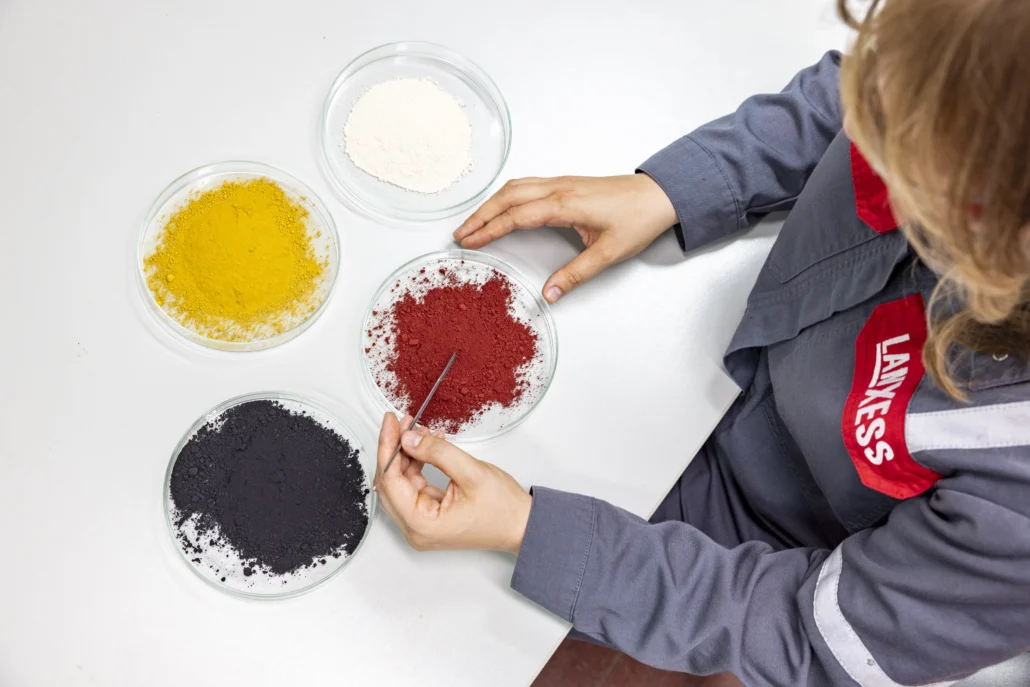
Tesla has withdrawn its intention to terminate its supply contract with the Australian mining company Syrah Resources. This decision follows reports of alleged quality issues with samples of active anode material from Syrah’s Vidalia plant in Louisiana. According to Syrah, Tesla now acknowledges that the company is producing compliant samples and has made sufficient progress in addressing the reported defect. This means that the termination clause announced in July 2025 is off the table for now. Final approval remains pending The 2021 contract stipulated that Syrah would supply Tesla with 8,000 tons of graphite anode material from the Vidalia plant over a four-year period. Syrah claims that the plant has a capacity of 11,250 tons of active anode material per year and is the only large-scale, vertically integrated producer of anode materials outside of China. Despite the easing of tensions, the agreement is not yet secure. Syrah notes that Tesla can terminate the contract if the material from Vidalia fails to meet final qualification standards. The company states that it is in the advanced stages of qualification testing with Tesla. Sources:https://www.reuters.com/business/autos-transportation/tesla-withdraws-termination-notice-graphite-supply-deal-with-australias-syrah-2026-05-31/https://www.syrahresources.com.au/investors/asx-announcements

Tesla to Hold onto Graphite Contract with Syrah for Now Read More »

Hunan Yuneng Receives Building Permit for Cathode Production in Mérida

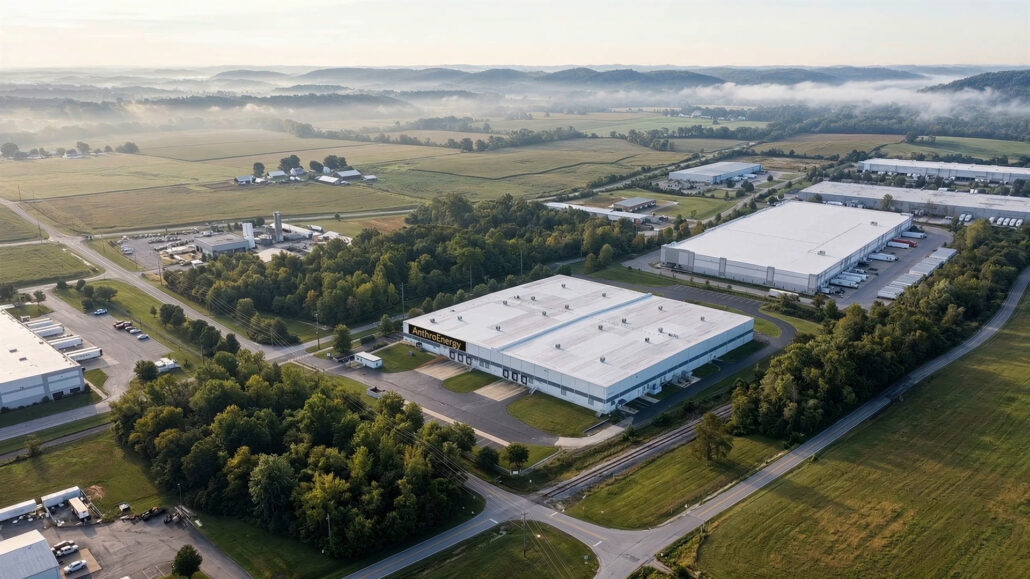
The Chinese battery materials manufacturer Hunan Yuneng can begin construction on its planned Cato II cathode factory in Mérida, Spain. The final building permit was granted by the city council. According to the city, a land transfer agreement was subsequently signed. The plant will be built in the Expacio Mérida industrial park, covering 54,800 square meters. The city estimates the project’s total potential investment to be between 600 and 800 million euros over the coming years. Once completed, the plant is expected to have the capacity to produce up to 300,000 tons of cathode material per year. The city estimates that the project could create around 500 direct jobs. During the construction phase, up to 200 jobs are expected at peak times. The company first announced the Spain project in April 2024, planning for an annual capacity of 50,000 tons. This initial plan envisioned the production of LFP cathode material. At that time, the investment was estimated to be 982 million yuan (approximately 125 million euros). Construction was expected to take about 15 months after obtaining the necessary permits. Sources:https://merida.es/el-ayuntamiento-concede-la-licencia-definitiva-para-el-mega-proyecto-de-la-fabrica-de-catodos/https://static.cninfo.com.cn/finalpage/2024-04-20/1219702297.PDF

Hunan Yuneng Receives Building Permit for Cathode Production in Mérida Read More »

Siemens Wins Contract for Lionheart Lithium Project

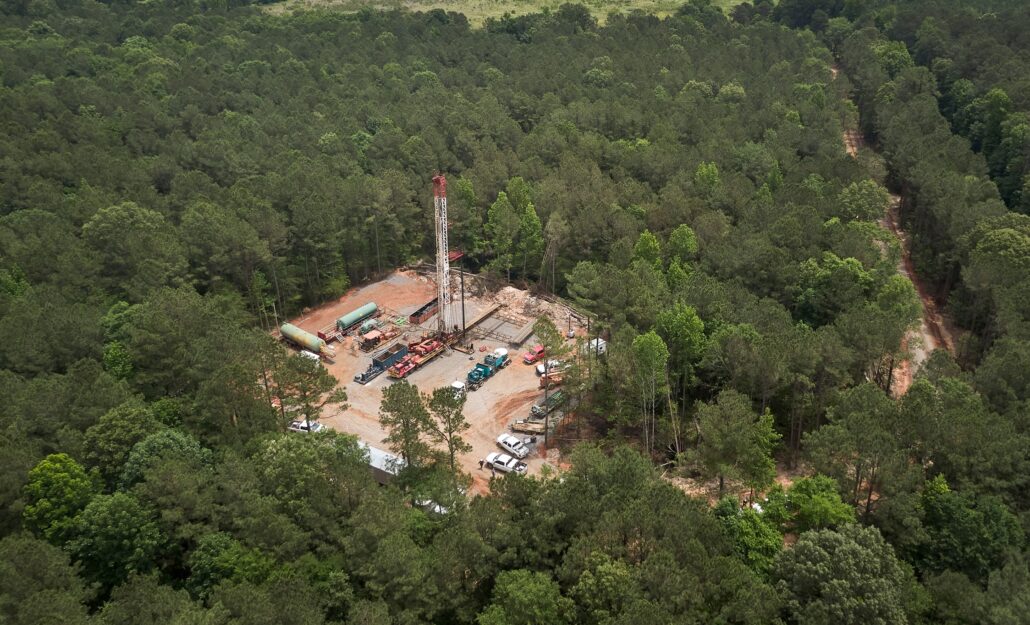
The Australian-German company Vulcan Energy has signed a framework agreement with Siemens AG worth approximately 40 million euros. The agreement covers the supply of engineering, automation, telecommunications, and building services systems for Vulcan Energy’s “Lionheart” project in the Upper Rhine Graben. The Lionheart project involves developing an integrated lithium and energy production facility that uses geothermal brine. The facility’s planned annual capacity is 24,000 metric tons of lithium hydroxide monohydrate. Additionally, the project will provide renewable energy and heat to local consumers. The project is expected to operate for approximately 30 years. Siemens’ Role According to the agreement, Siemens will serve as the primary automation partner for the project. This includes providing control systems, industrial networks, and a cybersecurity infrastructure. The contract also includes building automation and safety systems. In addition to the lithium extraction plant in Landau, implementation will cover further processing in Frankfurt-Höchst, as well as several extraction sites. The agreement is based on a framework model. Individual services will be specified through separate orders. Vulcan has committed to a minimum order value of 40 million euros. Additionally, Siemens Financial Services will contribute 67 million euros to the total financing of 2.2 billion euros. This agreement follows a memorandum of understanding that the two companies signed in 2025. This designation named Siemens as a “preferred supplier” through the end of 2035. Source:https://api.investi.com.au/api/announcements/vul/66938359-f91.pdf

Siemens Wins Contract for Lionheart Lithium Project Read More »

Mangrove Opens Lithium Refinery in Canada

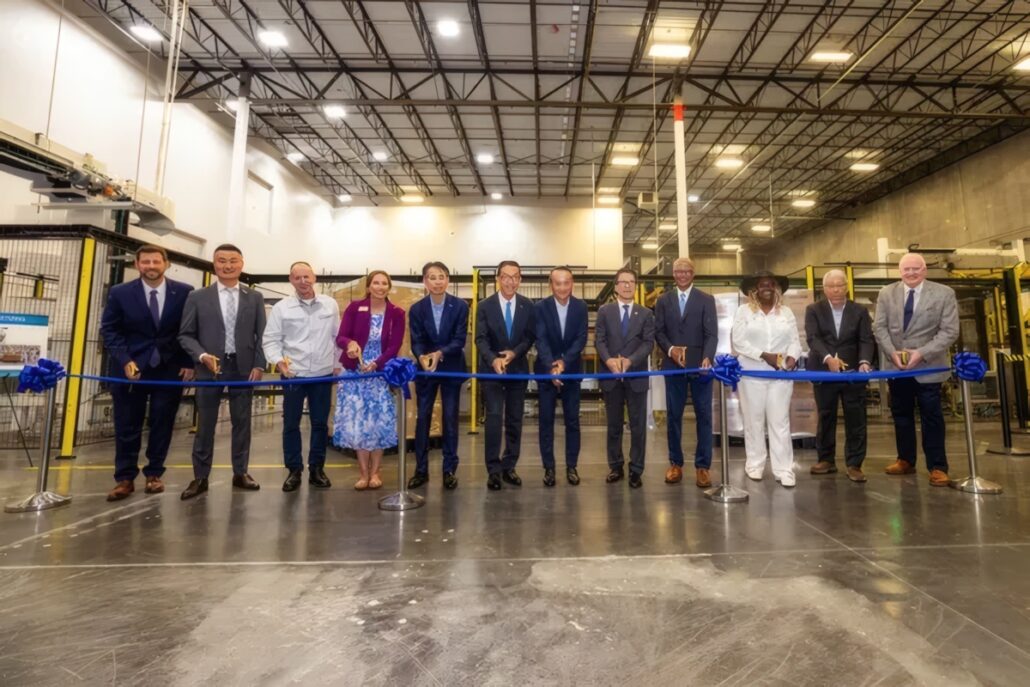
The Canadian technology company Mangrove Lithium has opened a lithium refinery at its headquarters in Delta, British Columbia. According to Mangrove, it is the first commercial facility in North America to use an electrochemical refining process. The plant has an annual production capacity of approximately 1,000 tons of lithium, enough to supply about 25,000 electric vehicles. New Refinery Aims to Reduce Import Dependency The refinery uses its own electrochemical technology to convert lithium from various raw materials into battery-ready products. Mangrove claims this process is more economical and flexible than traditional chemical methods. The company also aims to reduce dependence on lithium imports with the facility. Currently, the majority of global lithium processing takes place outside North America. At the same time, Mangrove Lithium announced another project in eastern Canada. A facility will be built to process spodumene and further refine lithium. This facility could supply material for up to 500,000 electric vehicles annually. One of the requirements for this is state funding of up to 21.88 million Canadian dollars through Natural Resources Canada, which has only been provisionally approved so far. Source:https://www.mangrovelithium.com/mangrove-lithium-opens-north-americas-first-commercial-electrochemical-lithium-refining-facility/

Mangrove Opens Lithium Refinery in Canada Read More »

“Global Battery Materials” Delivers First Graphite Samples

The Canadian company Global Battery Materials Corp. has delivered their first graphite samples from the Kearney Mine in Ontario to customers in the U.S. Simultaneously, the company opened a new graphite laboratory in Quebec.  The samples originate from the Kearney Mine, a historically operational graphite source that has been reactivated. Currently, potential buyers in the U.S. are evaluating the samples. The new laboratory in Quebec is designed to process and analyze natural graphite. Its goal is to achieve purity levels of up to 97 percent carbon. Processing takes place on a laboratory scale and is modeled after industrial processes. Additionally, complete process simulations are being conducted.  Global Battery Materials already operates a pilot and research facility for the production of anode materials in South Korea. According to the company, this allows them to provide an end-to-end supply chain outside of China. Source:https://www.prnewswire.com/news-releases/global-battery-materials-ships-first-graphite-samples-to-us-customer-opens-new-graphite-lab-in-quebec-302725090.html

“Global Battery Materials” Delivers First Graphite Samples Read More »

POSCO Future M and Molten Plan to Develop Anode Material from Methane

The South Korean battery materials manufacturer POSCO Future M has entered into a partnership with the U.S. company Molten. The goal is to develop a natural graphite anode material using methane gas. As part of the agreement, Molten will produce the graphite via methane pyrolysis. POSCO Future M will then further process the material through its subsidiary, FutureGraph, before manufacturing the final product at a plant in Sejong. Using this approach, the companies will not rely on conventionally mined graphite. Molten claims to be the only company capable of producing graphite through methane pyrolysis. Alternative Raw Material Base for Anode Material Graphite derived from methane reportedly contains fewer metallic impurities than mined material. This could reduce the effort required for subsequent purification steps. The company claims that this results in potential cost advantages in the production of anode materials. Another benefit is the production of hydrogen as a byproduct of methane pyrolysis. The POSCO Group is exploring ways to reuse this hydrogen. Possible applications include power generation and hydrogen-based steel manufacturing processes. The parties involved did not announce any specific timelines for pilot projects or industrial implementation. Source:https://www.poscofuturem.com/en/pr/view.do?num=1004

POSCO Future M and Molten Plan to Develop Anode Material from Methane Read More »

Samsung SDI Secures LFP Cathode Material for ESS Production

Samsung SDI has signed a supply agreement with the South Korean materials manufacturer L&F. The three-year agreement, beginning next year, is for the procurement of cathode materials for lithium iron phosphate batteries. According to Samsung SDI, the contract is valued at approximately 1.6 trillion KRW (about 1.07 billion USD). The agreement includes an option to extend it for an additional three years. The materials are intended for use in energy storage systems. Production will take place in the U.S. state of Indiana, where Samsung SDI operates the StarPlus Energy joint venture with Stellantis. There, existing production lines are being partially converted from electric vehicle batteries to energy storage system (ESS) applications. Mass production of LFP and NCA batteries is planned to start in the fourth quarter of this year. Focus on Supply Chain Diversity This agreement is part of a strategic realignment of supply chains. Historically, the battery industry has been heavily dependent on Chinese suppliers for LFP cathode material. Meanwhile, the U.S. is tightening regulatory requirements for products with ties to China, including regulations targeting so-called “prohibited foreign entities.” According to Samsung SDI’s own statements, the company aims to reduce these dependencies. Its collaboration with a domestic partner is presented as a step toward stabilizing the supply of materials. In August of last year, L&F announced investments in LFP cathode production and is currently increasing capacity to 60,000 tons per year. Meanwhile, Samsung SDI is expanding its activities in the North American energy storage market. At the end of last year, Samsung SDI signed a supply contract worth approximately 2 trillion KRW with a U.S. energy company. In mid-March, this was followed by another order worth around 1.5 trillion KRW. Source:https://www.samsungsdi.com/sdi-now/sdi-news/4822.html?pageIndex=1&pagesize=15&idx=4822

Samsung SDI Secures LFP Cathode Material for ESS Production Read More »

Rio Tinto Acquires Majority Stake in Nemaska Lithium

The international mining group Rio Tinto acquired a majority stake in Nemaska Lithium in the Canadian province of Quebec. Following capital investments since March 2025, Rio Tinto now holds 53.9 percent of the shares. The government of Quebec holds the remaining 46.1 percent through its investment company, Investissement Québec. With its majority stake, Rio Tinto will take over direct operational management. Rio Tinto intends to implement its own processes and standards in the areas of development, operations, and sales. The goal is to establish an integrated lithium business in Quebec. This majority takeover follows Rio Tinto’s acquisition of Arcadium in March 2025, through which it initially acquired 50 percent of Nemaska Lithium. Nemaska Lithium operates a lithium hydroxide plant in Bécancour and a spodumene mine in the Eeyou Istchee James Bay region. By the end of 2025, 60 percent of the construction work at the Bécancour site was complete. According to Rio Tinto, the engineering work is finished. The plant is scheduled to begin operating in 2026. Initial production is expected in 2028. Rio Tinto is currently evaluating the future supply of spodumene for the plant. For this purpose, the Whabouchi mine and the company’s own Galaxy mine are being examined. The review is expected to be finished by the end of the first half of 2026. The Quebec government plans to invest up to US$200 million in the project. In turn, Rio Tinto plans to invest over US$300 million to expand its lithium business in Quebec in 2026. Source:https://www.riotinto.com/en/news/releases/2026/rio-tinto-assumes-majority-interest-and-management-responsibilities-at-nemaska-lithium

Rio Tinto Acquires Majority Stake in Nemaska Lithium Read More »

Scroll to Top