Battery-News

Battery Material

ZNL and HPB Plan Separator Deliveries for Solid-State Batteries Starting in 2028

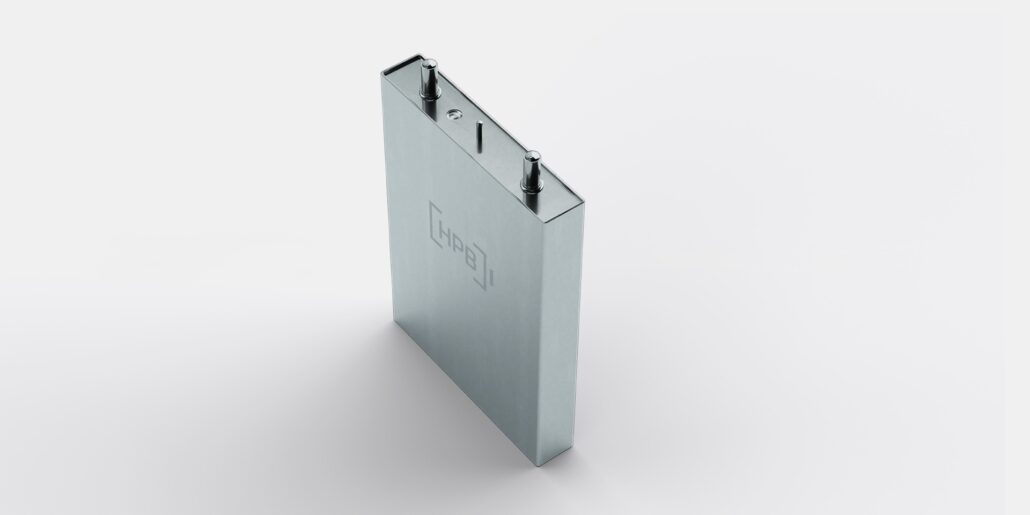
Norwegian battery materials developer ZNL Energy and Bonn-based High Performance Battery Technology (HPB) plan to expand their collaboration. The companies have signed a letter of intent for this purpose. ZNL is expected to become a preferred separator supplier for HPB’s planned cell production. The companies intend to use the ZNL-NPx separator material. Deliveries are currently scheduled to begin in 2028. They are subject to successful product qualification and a binding supply agreement. Thinner Separator Aims to Increase Energy Density HPB uses its own inorganic solid-state electrolyte. It is initially introduced into the cell using solid and liquid starting materials before curing. According to ZNL, the non-porous and flame-retardant ZNL-NPx separator is intended to prevent short circuits between the electrodes during the initially liquid phase. At the same time, the material is significantly thinner than the previously used glass-fiber separator, according to the companies. This is intended to create space for additional electrode pairs without changing the cell volume. HPB and ZNL expect this to increase capacity and provide advantages in series production. Tests Reach More Than 4,500 Charge Cycles According to ZNL and HPB, the companies have been testing the combination of their technologies since 2024. The cells have reportedly completed more than 4,500 charge-discharge cycles at room temperature. Testing was conducted at charge and discharge rates of 1C. The companies also report improvements in manufacturability and energy density compared with previously used separator solutions. HPB plans to scale up industrial production of its solid-state batteries. In the long term, the company is targeting annual production capacity in the multi-GWh range. Source:https://www.highperformancebattery.ch/de/pressestimmen/pm-26-08-10.php

ZNL and HPB Plan Separator Deliveries for Solid-State Batteries Starting in 2028 Read More »
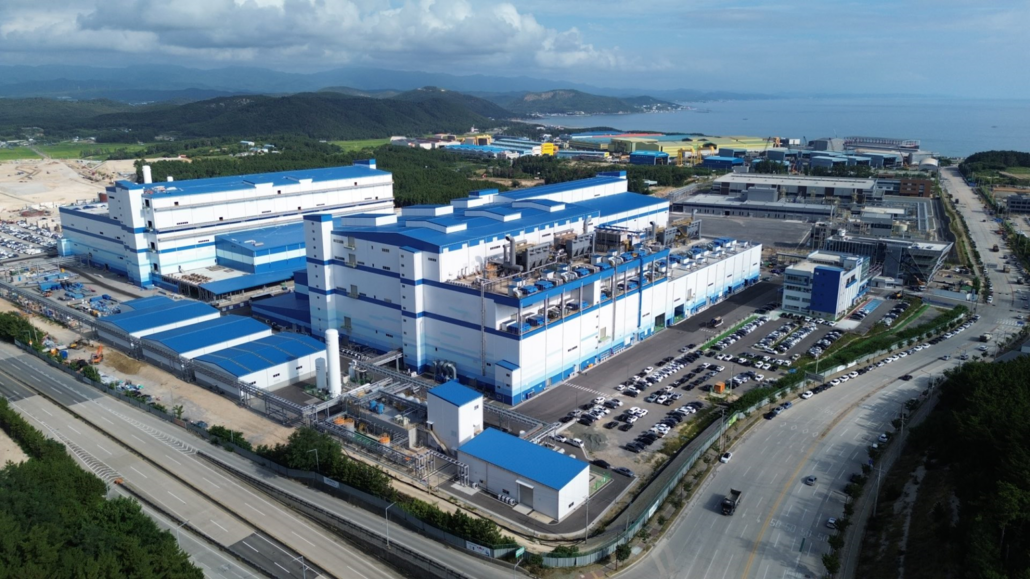
POSCO Future M Enters LFP Market with Major Supply Deal

POSCO Future M plans to supply large volumes of LFP cathode material to an unnamed South Korean battery manufacturer starting in 2027. The agreement covers more than 190,000 metric tons over six years through 2032. The final contract terms are expected to be determined in the third quarter. The agreement marks the company’s entry into the market for cathode materials used in lithium iron phosphate (LFP) batteries. According to POSCO Future M, the move is primarily driven by growing demand for stationary energy storage systems (ESS) in North America. LFP Production in Pohang Set to Begin in 2026 To enable production in the near term, POSCO Future M has converted parts of existing production lines at its Pohang plant. These lines previously produced high-nickel cathode materials. The converted facilities will instead manufacture LFP cathode material. According to the company, customer certification of prototypes is currently underway. Commercial-scale deliveries are scheduled to begin by the end of 2026. LFP batteries have lower power output than NCM and NCA cells. However, they are less expensive and designed for a longer service life. POSCO Future M sees potential applications particularly in stationary energy storage and lower-cost electric vehicles. For production, the company plans to use iron oxide derived from steelmaking byproducts, among other materials. Lithium is also expected to come from salt lakes in Argentina. Additional LFP Capacity Planned from 2027 Additional production capacity is also being developed in Pohang. CNP New Material Technology, a joint venture between POSCO Future M and FINO-CNGR, began construction of an LFP cathode material plant in May. Commercial production at the facility is scheduled to start in 2027. Capacity is expected to be expanded in stages to a maximum of 50,000 metric tons. Source:https://www.poscofuturem.com/en/pr/view.do?num=1039

POSCO Future M Enters LFP Market with Major Supply Deal Read More »

Sila Secures $300 Million for Silicon Anode Production

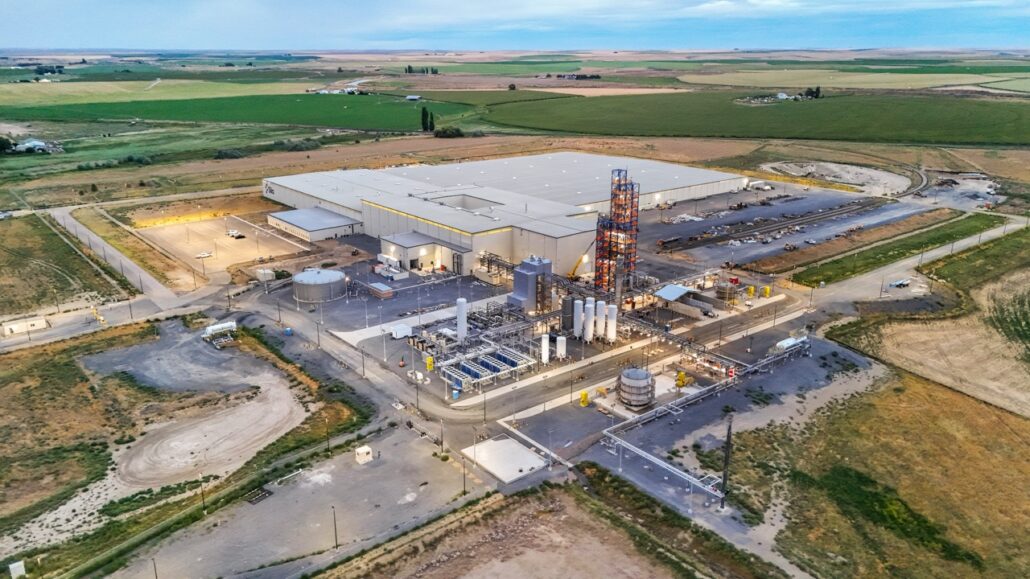
U.S. battery technology company Sila has announced that it has raised $300 million in a private funding round. The capital will be used to accelerate production of silicon-carbon anodes at the company’s Moses Lake, Washington, facility and support the planned second phase of the plant’s expansion. The funding round was led by Atreides Management and Sutter Hill Ventures, with participation from additional existing and new investors. Manufacturing Expansion in Washington According to the company, its Moses Lake production facility began operations in fall 2025 and is currently ramping up production. The first phase is designed to provide an annual production capacity of 2 gigawatt-hours. Over the next five years, the company plans to expand capacity to as much as 250 gigawatt-hours. If achieved, Sila says the facility would become the world’s largest anode material manufacturing plant. Silicon Anodes as an Alternative to Graphite Sila develops silicon-carbon anodes under the brand name Titan Silicon. According to the company, the material delivers 20% to 40% higher energy density than conventional graphite anodes. As a result, batteries could be made smaller and lighter or store more energy without increasing their size. The company also says the material enables faster charging. Silicon is generally considered a higher-capacity anode material than graphite. However, it expands significantly during charging and contracts during discharging. These repeated volume changes can accelerate battery degradation. As a result, today’s lithium-ion batteries typically use only limited amounts of silicon blended with graphite. Sources: https://www.businesswire.com/news/home/20260721561478/en/Sila-Secures-$300-Million-in-Private-Funding-to-Ramp-Gigascale-Anode-Manufacturing-and-Strengthen-Americas-Technology-Sovereigntyhttps://insideevs.com/news/802397/sila-silicon-anode-lithium-ion/

Sila Secures $300 Million for Silicon Anode Production Read More »

Gotion Plans Battery Project in Valladolid Worth 950 Million Euros

The Chinese battery manufacturer Gotion is planning an industrial project in Valladolid for the production and recycling of battery materials. According to the Spanish government, the investment amounts to more than 940 million euros. The project includes a facility for cathode materials and a battery recycling plant. Government Funding Supports the Project Spain’s Minister of Industry and Tourism, Jordi Hereu, and Minister of Transportation, Óscar Puente, presented the project in Valladolid. It is set to receive €138 million in public funding through the PERTE VEC subsidy program. These funds come from a government program for electric vehicles and connected mobility. Construction Scheduled to Begin in 2027 The industrial complex will be built on a 12-hectare site near Valladolid. Construction is scheduled to begin in 2027. The initial phase includes a recycling plant that can process up to 200,000 metric tons of battery material per year. A plant for cathode materials will follow in a second phase. This facility is also expected to have an annual capacity of 200,000 metric tons. The company has not disclosed a timeline for the completion of these construction phases. Sources:https://www.electrive.com/2026/07/03/gotion-to-build-battery-facilities-in-spain-next-year/https://www.mintur.gob.es/es-es/GabinetePrensa/NotasPrensa/2026/Paginas/20260701-presentacion-proyecto-gotion-valladolid.aspx

Gotion Plans Battery Project in Valladolid Worth 950 Million Euros Read More »

CATL Restarts Lithium Mine in Jiangxi

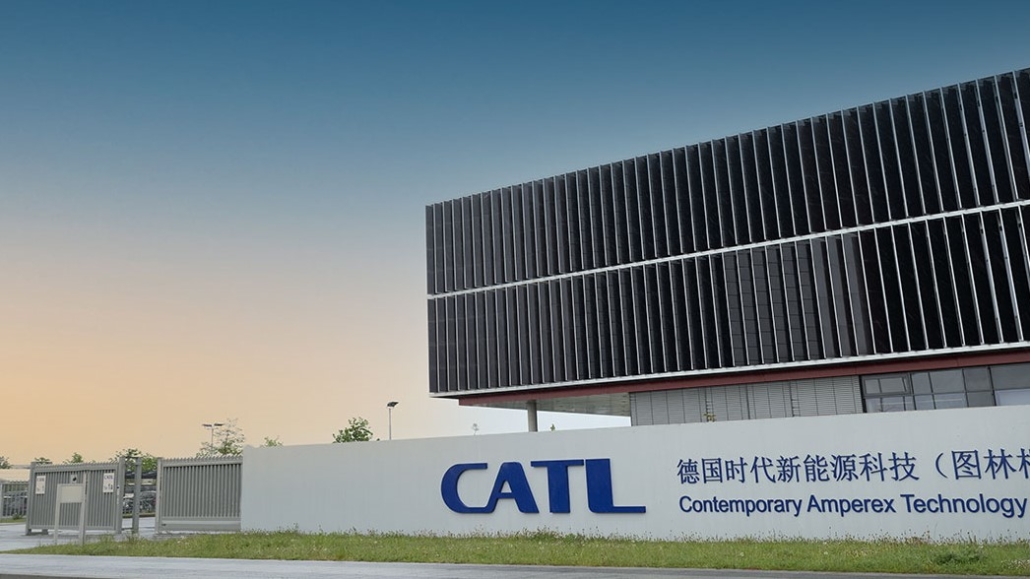
Chinese battery manufacturer CATL has resumed operations at the Jianxiawo lithium mine in Yichun, Jiangxi Province. This expansion increases capacity in a market affected by oversupply. According to Chinese media reports, the company received the necessary safety permit on June 29. Production reportedly resumed that same evening. The mine is considered one of the world’s largest single deposits of the mineral lepidolite. It has an annual capacity of around 100,000 tons of lithium carbonate. Before its suspension, Jianxiawo accounted for 8 to 10 percent of China’s lithium carbonate production. Restart was Delayed Several Times CATL suspended production on August 10, 2025, after a key mining license expired the previous day. At the time, the company said it was working to renew the permit. CATL also stated that the issue would have little impact on its overall business. However, the restart was delayed several times. The expected resumption around the Chinese New Year holiday in February did not materialize. According to Mysteel analyst Li Pan, the mine could contribute more than 45,000 tons of additional lithium carbonate capacity in the second half of the year if regular operations begin in July. Source:https://cnevpost.com/2026/07/01/catl-restarts-jiangxi-lithium-mine/

CATL Restarts Lithium Mine in Jiangxi Read More »

Sicona Receives $45 Million for Anode Material Production in Wollongong

The Australian battery materials firm Sicona Battery Technologies received a $45 million grant from the Australian Renewable Energy Agency. Sicona plans to use the funds to build and operate its first commercial-scale production facility for silicon-carbon anode material. The material is marketed under the name SiCx.  Production is expected to reach 230 metric tons per year. This volume is intended primarily for customer qualification and initial commercial sales. Sicona is currently working with BlueScope Steel Limited to determine if the plant can be built on BlueScope’s Port Kembla site. To this end, the two companies have signed an exclusivity agreement. Silicon-Carbon Instead of Pure Graphite Anodes According to Sicona, SiCx is expected to increase the energy density of lithium-ion batteries by more than 20 percent. The company also claims that charging speeds will be more than 40 percent faster than those of conventional graphite anodes. This technology is compatible with existing lithium-ion battery production lines. The company references independent tests and evaluations by global battery manufacturers and automotive companies. Moving from the Lab to the Supply Chain Sicona envisions applications in electric vehicles, AI data centers, power tools, defense, robotics, and drones. The Wollongong facility is intended to validate the process on a commercial scale. This project follows a licensing and strategic partnership with Himadri in India that was finalized in May 2025 and included a follow-on investment of 17.5 million Australian dollars. Concurrently, Sicona is planning a facility with an annual capacity of 6,500 metric tons. The company’s long-term goal is to increase capacity to 26,500 metric tons. Source:https://www.prnewswire.com/news-releases/sicona-lands-45m-arena-grant-to-open-battery-materials-production-facility-in-wollongong-302812932.html

Sicona Receives $45 Million for Anode Material Production in Wollongong Read More »

Tesla to Hold onto Graphite Contract with Syrah for Now

Tesla has withdrawn its intention to terminate its supply contract with the Australian mining company Syrah Resources. This decision follows reports of alleged quality issues with samples of active anode material from Syrah’s Vidalia plant in Louisiana. According to Syrah, Tesla now acknowledges that the company is producing compliant samples and has made sufficient progress in addressing the reported defect. This means that the termination clause announced in July 2025 is off the table for now. Final approval remains pending The 2021 contract stipulated that Syrah would supply Tesla with 8,000 tons of graphite anode material from the Vidalia plant over a four-year period. Syrah claims that the plant has a capacity of 11,250 tons of active anode material per year and is the only large-scale, vertically integrated producer of anode materials outside of China. Despite the easing of tensions, the agreement is not yet secure. Syrah notes that Tesla can terminate the contract if the material from Vidalia fails to meet final qualification standards. The company states that it is in the advanced stages of qualification testing with Tesla. Sources:https://www.reuters.com/business/autos-transportation/tesla-withdraws-termination-notice-graphite-supply-deal-with-australias-syrah-2026-05-31/https://www.syrahresources.com.au/investors/asx-announcements

Tesla to Hold onto Graphite Contract with Syrah for Now Read More »

Hunan Yuneng Receives Building Permit for Cathode Production in Mérida

The Chinese battery materials manufacturer Hunan Yuneng can begin construction on its planned Cato II cathode factory in Mérida, Spain. The final building permit was granted by the city council. According to the city, a land transfer agreement was subsequently signed. The plant will be built in the Expacio Mérida industrial park, covering 54,800 square meters. The city estimates the project’s total potential investment to be between 600 and 800 million euros over the coming years. Once completed, the plant is expected to have the capacity to produce up to 300,000 tons of cathode material per year. The city estimates that the project could create around 500 direct jobs. During the construction phase, up to 200 jobs are expected at peak times. The company first announced the Spain project in April 2024, planning for an annual capacity of 50,000 tons. This initial plan envisioned the production of LFP cathode material. At that time, the investment was estimated to be 982 million yuan (approximately 125 million euros). Construction was expected to take about 15 months after obtaining the necessary permits. Sources:https://merida.es/el-ayuntamiento-concede-la-licencia-definitiva-para-el-mega-proyecto-de-la-fabrica-de-catodos/https://static.cninfo.com.cn/finalpage/2024-04-20/1219702297.PDF

Hunan Yuneng Receives Building Permit for Cathode Production in Mérida Read More »

Siemens Wins Contract for Lionheart Lithium Project

The Australian-German company Vulcan Energy has signed a framework agreement with Siemens AG worth approximately 40 million euros. The agreement covers the supply of engineering, automation, telecommunications, and building services systems for Vulcan Energy’s “Lionheart” project in the Upper Rhine Graben. The Lionheart project involves developing an integrated lithium and energy production facility that uses geothermal brine. The facility’s planned annual capacity is 24,000 metric tons of lithium hydroxide monohydrate. Additionally, the project will provide renewable energy and heat to local consumers. The project is expected to operate for approximately 30 years. Siemens’ Role According to the agreement, Siemens will serve as the primary automation partner for the project. This includes providing control systems, industrial networks, and a cybersecurity infrastructure. The contract also includes building automation and safety systems. In addition to the lithium extraction plant in Landau, implementation will cover further processing in Frankfurt-Höchst, as well as several extraction sites. The agreement is based on a framework model. Individual services will be specified through separate orders. Vulcan has committed to a minimum order value of 40 million euros. Additionally, Siemens Financial Services will contribute 67 million euros to the total financing of 2.2 billion euros. This agreement follows a memorandum of understanding that the two companies signed in 2025. This designation named Siemens as a “preferred supplier” through the end of 2035. Source:https://api.investi.com.au/api/announcements/vul/66938359-f91.pdf

Siemens Wins Contract for Lionheart Lithium Project Read More »

Mangrove Opens Lithium Refinery in Canada

The Canadian technology company Mangrove Lithium has opened a lithium refinery at its headquarters in Delta, British Columbia. According to Mangrove, it is the first commercial facility in North America to use an electrochemical refining process. The plant has an annual production capacity of approximately 1,000 tons of lithium, enough to supply about 25,000 electric vehicles. New Refinery Aims to Reduce Import Dependency The refinery uses its own electrochemical technology to convert lithium from various raw materials into battery-ready products. Mangrove claims this process is more economical and flexible than traditional chemical methods. The company also aims to reduce dependence on lithium imports with the facility. Currently, the majority of global lithium processing takes place outside North America. At the same time, Mangrove Lithium announced another project in eastern Canada. A facility will be built to process spodumene and further refine lithium. This facility could supply material for up to 500,000 electric vehicles annually. One of the requirements for this is state funding of up to 21.88 million Canadian dollars through Natural Resources Canada, which has only been provisionally approved so far. Source:https://www.mangrovelithium.com/mangrove-lithium-opens-north-americas-first-commercial-electrochemical-lithium-refining-facility/

Mangrove Opens Lithium Refinery in Canada Read More »

Scroll to Top