6. August 2024|
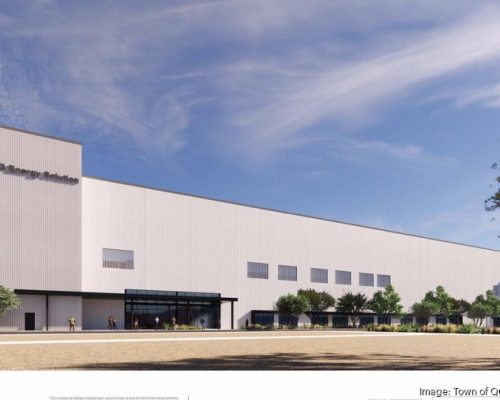
LG Energy Solution has formed a task force to develop prismatic batteries. Meanwhile, SK On is preparing for the mass production of prismatic cells due to their enhanced safety features...
LG Energy Solution has formed a task force to develop prismatic batteries. Meanwhile, SK On is preparing for the mass production of prismatic cells due to their enhanced safety features...
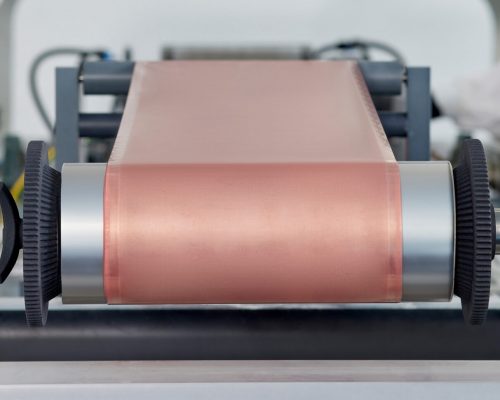
Battery technology developer Addionics has closed a $39 million Series B funding round. The round was co-led by GM Ventures and Deep Insight, with participation from Scania and other investors....
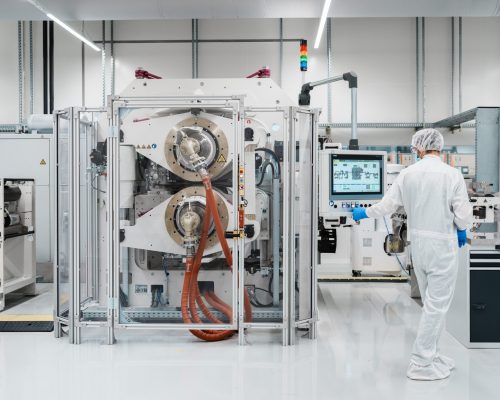
On July 19, Daimler Truck opened the Battery Technology Center at the Mercedes-Benz plant in Mannheim, Germany. The center covers an area of 10,000 square meters. It will be used...
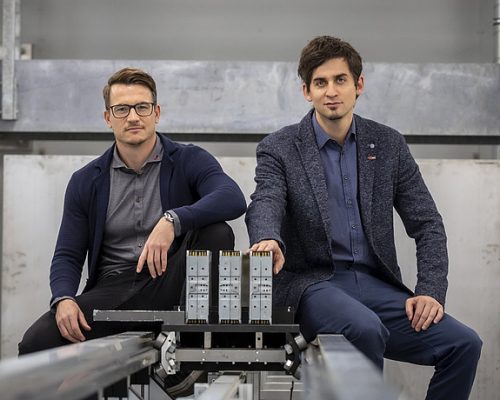
Graz University of Technology has received approval for the new COMET K1 Center “Battery4Life”. Led by Christian Ellersdorfer from the Institute of Vehicle Safety, the center aims to make batteries...
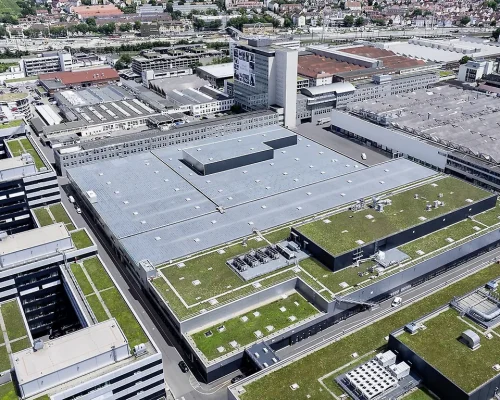
In Stuttgart, Mercedes-Benz has opened an eCampus for the development of cells and batteries for future electric vehicles. The goal is to reduce battery costs by more than 30 percent...
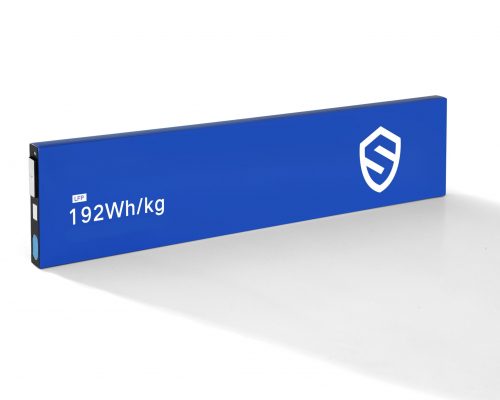
Geely Auto Group from China has presented a new lithium iron phosphate (LFP) battery in blade format, claiming the battery features high energy density, compact design, and improved safety.
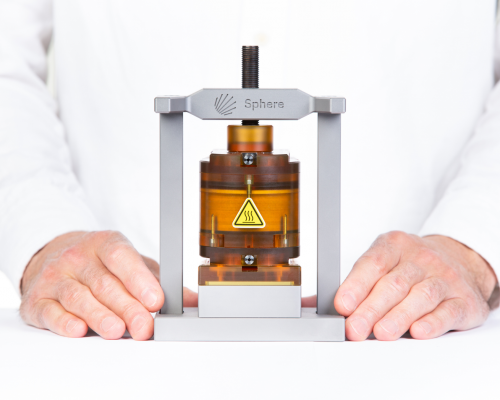
A new white paper describes procedures and potential challenges in manufacturing solid-state battery cells in the laboratory. It is available as a free download.
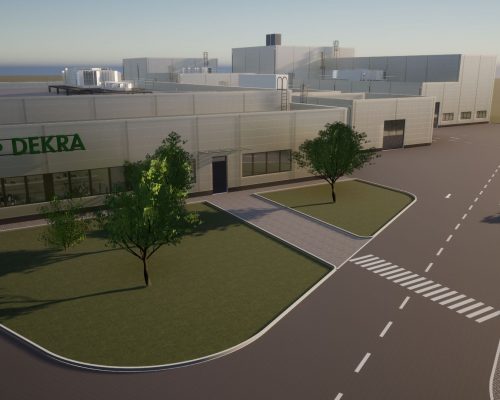
DEKRA has begun construction of a battery test center at Lausitzring where systems for electric vehicles and other applications are to be tested from mid-2025.
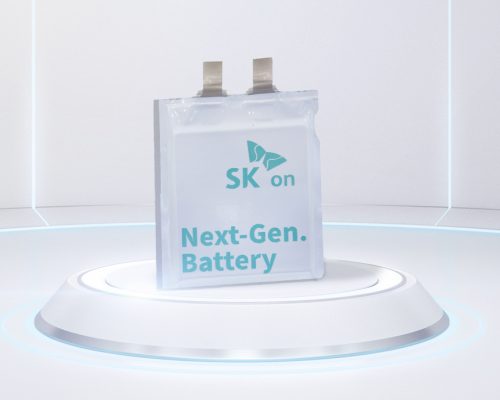
South Korean company SK On has announced that it has co-developed a polymer electrolyte for lithium metal batteries that can be operated at room temperature.
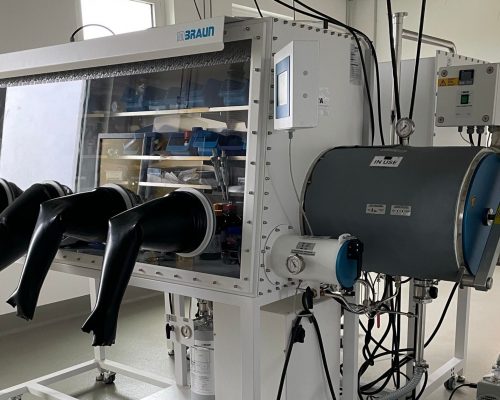
German battery company “theion” has opened a technology center in the Berlin Adlershof Science and Technology Park. The facility will be used to further develop the companyʼs sulfur crystal batteries.
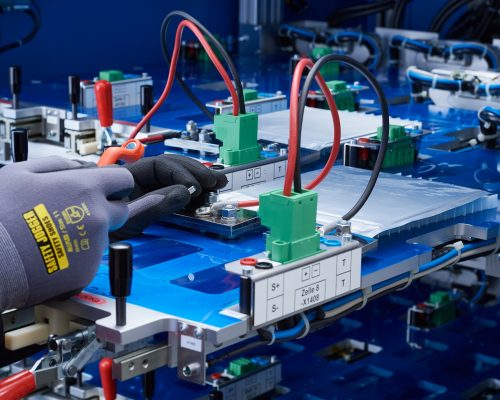
Applied safety science specialist UL Solutions Inc. has acquired BatterieIngenieure GmbH from Aachen, Germany, to respond to the increasing demand for battery performance and safety testing.

Capgemini Engineering and PEM of RWTH Aachen University have published an in-depth analysis on the “Acceleration of Battery Cell Development”.