The PEM Chair at RWTH Aachen University is developing processes for the scalable production of multilayer battery electrodes as part of the ProMeBa research project. The project began in June 2026 with partners from research and industry and will run through May 2029. It aims to develop process and equipment solutions that enable industrial production. The electrodes are intended to improve the performance and service life of lithium-ion batteries.
From Electrode Design to Pilot Production
Multilayer electrodes combine different material and structural properties. This approach is intended to improve ion transport, mechanical stability, and electrochemical performance. The project is therefore investigating materials and layer architectures for anodes and cathodes. Key parameters include the number of layers, their thickness, and changes in material composition between layers.
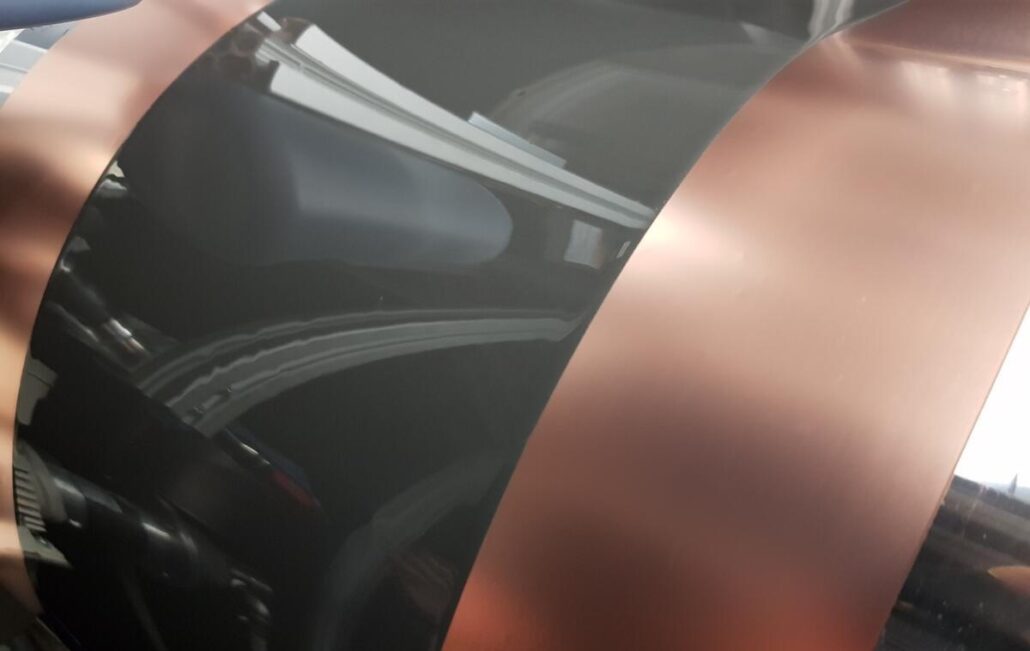
PEM is responsible for developing multilayer anodes and characterizing them in the laboratory. This involves adjusting coating slurry formulations as well as coating and drying conditions. The results will then be transferred to pilot production lines. A modular coating unit is being developed for integration into existing equipment.
Two-layer slot-die coating and multilayer curtain coating will be compared under industrially relevant roll-to-roll conditions. The focus is on coating quality, process stability, and scalability.
Inline Measurement to Support Quality Assurance
In parallel, an inline measurement system is being further developed to continuously monitor the viscosity of coating slurries. It is intended to detect deviations early during production and support consistent electrode quality. Electrochemical testing of electrodes and test cells will provide insight into the performance and stability of the multilayer structures.
NETZSCH-Gerätebau coordinates the project under the BMFTR’s B@TS funding call. Other partners include RWTH’s PEM and ISEA chairs, Fraunhofer IKTS, the iPAT Institute at TU Braunschweig, and 8inks Deutschland.
Source:
https://www.pem.rwth-aachen.de/go/id/buzbym#aaaaaaaaabuzcir