
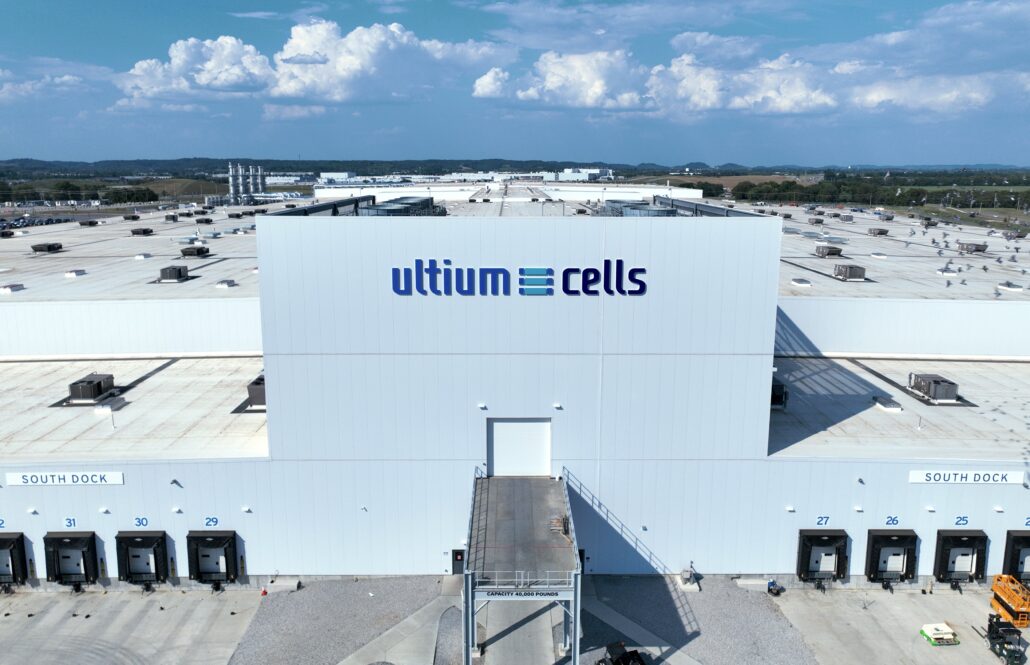
General Motors and LG Energy Solution plan to upgrade their joint battery plant in Spring Hill, Tennessee, to produce a new cell chemistry. Their Ultium Cells joint venture is expected to manufacture prismatic lithium manganese-rich, or LMR, battery cells for future GM electric vehicles. The plant modifications are scheduled to begin in 2026 and be completed in 2028.
GM had previously said it aimed to begin commercial production of LMR cells at a U.S. facility in 2028. According to the companies, the Tennessee expansion is expected to create about 500 new jobs. The site currently employs around 1,200 people.
LMR Aims to Combine Lower Costs and Higher Energy Density
GM is positioning LMR as a lower-cost alternative to high-nickel battery cells. Ultium Cells says the planned LMR cells could offer up to 33% higher energy density than lithium iron phosphate cells while maintaining a comparable cost level.
GM has also previously indicated that it is considering scaling back its original plans for LFP cells in electric vehicles in favor of LMR.
Plant Already Produces LFP Cells
The Spring Hill facility has been producing LFP cells for stationary energy storage systems since June 2026. Going forward, the site is expected to support several battery chemistries and form factors. These include LFP, high-nickel and LMR cells, as well as pouch and prismatic formats.
Ultium Cells says combined investment in the two programs and additional plant improvements will total $1 billion by 2030. According to the company, Spring Hill could also become the first facility in the world to mass-produce prismatic LMR battery cells.
Sources:
https://www.ultiumcell.com/newsroom/latest-news/2026/09/28/Ultium-Cells-to-Upgrade-Spring-Hill-Operations-to-Produce-Lithium-Manganese-Rich-LMR-Prismatic-Battery-Cells–
https://www.reuters.com/business/autos-transportation/gm-lg-make-lower-cost-ev-battery-cells-tennessee-2026-09-29/