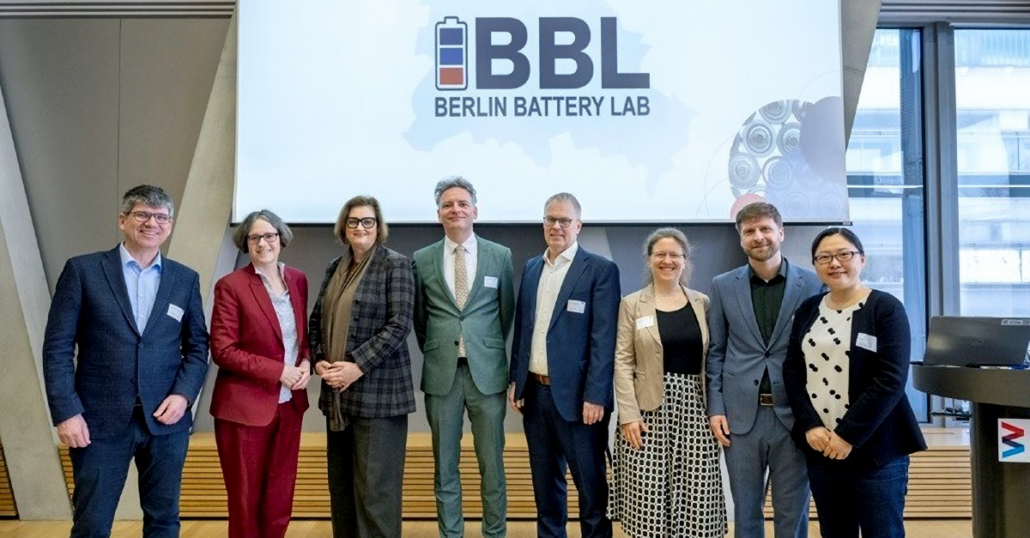
The Federal Institute for Materials Research and Testing (BAM), the Helmholtz-Zentrum Berlin (HZB), and Humboldt University of Berlin (HU) have launched the Berlin Battery Lab (BBL), a joint research platform that consolidates battery research in the capital. Their goal is to develop and test new battery technologies, particularly those based on sodium. According to the participating institutions, the lab will be used to develop materials, investigate cell chemistries, and manufacture prototypes.
The lab brings together diverse expertise in a single location. While BAM focuses on safety issues and energy materials, HU conducts sodium-ion battery research, and HZB contributes lithium-sulfur system expertise. Additionally, HZB provides BESSY II, an X-ray source for analyzing battery chemical processes.
Focus on Sodium Batteries and Technology Transfer
The activities center on sodium-ion batteries as a potential alternative to existing technologies. This technology is considered more resource-efficient than lithium-based chemistries. The work in the laboratory is intended to accelerate the transition from research to application.
The infrastructure is also open to external partners from academia and industry. Technology-oriented companies and startups, in particular, will have access to development and testing facilities. The State of Berlin is providing financial support for the project. An additional 2.4 million euros in funding from the European Regional Development Fund has been earmarked for the period from 2026 to 2028.