
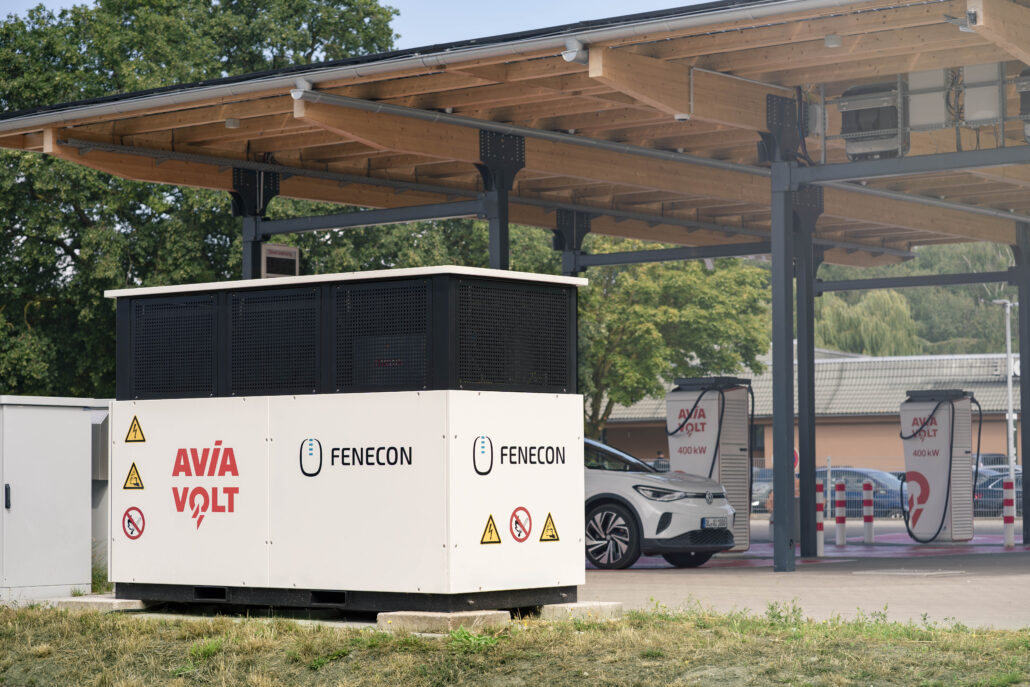
As large-scale battery storage systems become more capable, they are taking on more responsibilities. Planners, operators, and investors must account for regulatory requirements and site-specific conditions alongside the technical demands of the project. Independent TÜV SÜD experts help project teams reconcile these requirements.
Large-scale battery storage systems increasingly do more than temporarily store surplus electricity from sources such as wind and solar. They are taking on some of the functions traditionally performed by conventional power plants, including helping stabilize the grid. This adds complexity to project design. Teams must consider the legal requirements for siting and installation as well as electrical and fire protection requirements.
Storage capacity, intended use, system design, and location are the main factors that shape planning, permitting, construction, and operation. Higher power ratings and greater storage capacity can allow a system to make a larger contribution to grid stability. Planning becomes more complex as the system takes on functions beyond storing and discharging electricity. Depending on their size, large-scale battery storage systems may also qualify as critical infrastructure and be subject to statutory requirements, including applicable provisions of Germany’s Critical Infrastructure Umbrella Act (KRITIS-Dachgesetz). If an outage could jeopardize security of supply, operators must ensure system availability, resilience, and operational safety and document how they will prepare for emergencies and restore service.
Site conditions play a major role in planning. Requirements from different disciplines can conflict, and independent experts with experience in inspections and permitting can help resolve those conflicts. Close coordination from planning and construction through commissioning and operation reduces the risk of costly rework and permitting delays. Common questions involve existing risk assessments, fire protection and safety plans, and when permitting authorities may request additional information.
One project, different priorities
Planning a large-scale battery storage project involves balancing the priorities of future operators, investors, and manufacturers.
Operators. Operators of existing or planned storage projects focus on safe, sustainable operation and operating costs. System availability is particularly important when a facility provides grid stability services and qualifies as critical infrastructure. Costs include maintenance, service calls, the purchase and stocking of spare parts, and potential losses from downtime. Operators also need to budget for required periodic inspections and their documentation. Operating instructions and emergency response plans must be kept up to date and readily available. Insurers often consider inspection and maintenance records when setting policy terms, and those records can help operators secure more favorable terms. Standardized plans and documentation that authorities accept can simplify permitting and make project schedules more predictable.
Investors. Technical and financial risks during planning and operation matter to investors, who seek to protect their investment against both. Inspection certificates and technical documentation are commonly reviewed during due diligence and can materially affect financing decisions.
Manufacturers. Manufacturers aim to standardize their systems for use across projects with different operating and site requirements. They must determine which conformity requirements apply when equipment from global supply chains is installed at a particular site. Battery system manufacturers must, among other things, provide risk-based fire protection strategies that address thermal runaway, a process in which rising cell temperature triggers further heat generation. Project teams must determine which harmonized standards and other requirements apply and whether a notified body such as TÜV SÜD needs to be involved. Building regulations can require a fire protection plan as a condition for construction and operating permits. Experts can help identify fire protection measures, design fire protection systems, and determine separation distances. Bringing this expertise into the planning process reduces the risk of costly design changes in response to permit conditions.
The role of engineering consultants
Storage capacity is one part of project planning. Site conditions make each project different and determine which procedures and documentation are needed. These may include risk assessments or evidence that the facility meets security or resilience requirements. Investor requirements also vary from project to project. Early coordination helps teams plan and deliver complex storage projects more efficiently.
Engineering consultants and inspection providers work together to incorporate product information and design documentation from manufacturers into planning and permit submissions. They also translate operators’ requirements into technical plans and into procedures for inspections and day-to-day operation.
Author
Manuel Obert
Senior Project and Business Development Manager
Energy and Systems
Systems Engineering, Safety, and Risk
Contact
TÜV SÜD Industrie Service GmbH
Westendstraße 199
80686 Munich, Germany
manuel.obert@tuvsud.com
http://www.tuvsud.com/de-is